A draft is a preliminary version of a written work, and producing multiple drafts before submission is the single most reliable way to improve your final result. Queensland senior students in Years 10–12 face high-stakes assessments where clarity, argument, and evidence alignment directly affect grades. Understanding why drafts matter before submission gives you a concrete advantage over students who write once and submit. Tools like Grammarly and referencing software help polish language, but the real work happens in the drafting and revision cycle itself. Skipping that cycle does not save time. It creates problems you only discover after the mark comes back.
Why drafts matter before submission: the real purpose of drafting
Drafting is a thinking tool, not a finished product. First drafts externalise ideas and reveal gaps in your argument that are invisible when the thinking stays inside your head. You cannot spot a logical contradiction or a missing piece of evidence until you write it down and read it back.
The most common mistake students make is treating the first draft as a near-final version. That pressure kills good writing before it starts. Early drafts are for idea exploration, not perfection. Write boldly, get the ideas onto the page, and resist the urge to fix sentences while the argument is still forming.

Drafting and editing are two separate jobs. Drafting is about purpose: what are you trying to say and does your evidence support it? Editing is about polish: are your sentences clear and grammatically correct? Mixing the two in a single pass produces writing that is technically tidy but argumentatively weak. Separate the jobs and both improve.
Revision should focus on meaning and emotional resonance, not just sentence cleanup. A paragraph can be grammatically perfect and still fail to advance your argument. The question to ask in revision is not “Is this sentence correct?” but “Does this sentence do work for my thesis?”
Pro Tip: Set a 15-minute timer and write your first draft without stopping or editing. This free-writing technique forces ideas onto the page and stops self-censorship from killing your argument before it forms.
Drafting vs editing: why the order matters
Many students open a document and immediately start polishing the introduction. That approach wastes time. Polishing before the core ideas are settled leads to rework because you will likely restructure the argument in a later draft anyway. Write the messy version first. Shape it second. Polish it last.
The drafting phase is also where you discover what you actually think about a topic. Students frequently report that their real argument only became clear in the second or third draft. That is not a failure of planning. That is the drafting process working exactly as it should.
How many drafts should you write?
Most academic and professional writing guides recommend 2–3 drafts as a baseline for solid work. The first draft gets ideas down. The second draft fixes structure and argument. The third draft addresses language, clarity, and referencing. Some assignments will need more cycles, particularly extended responses or research projects.
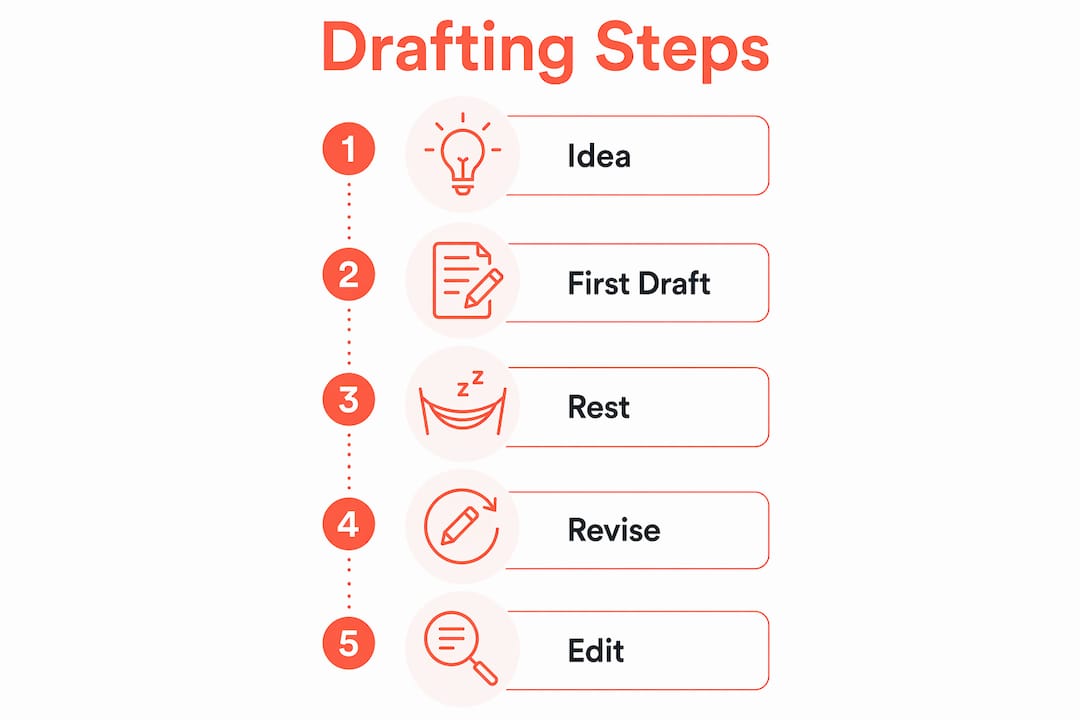
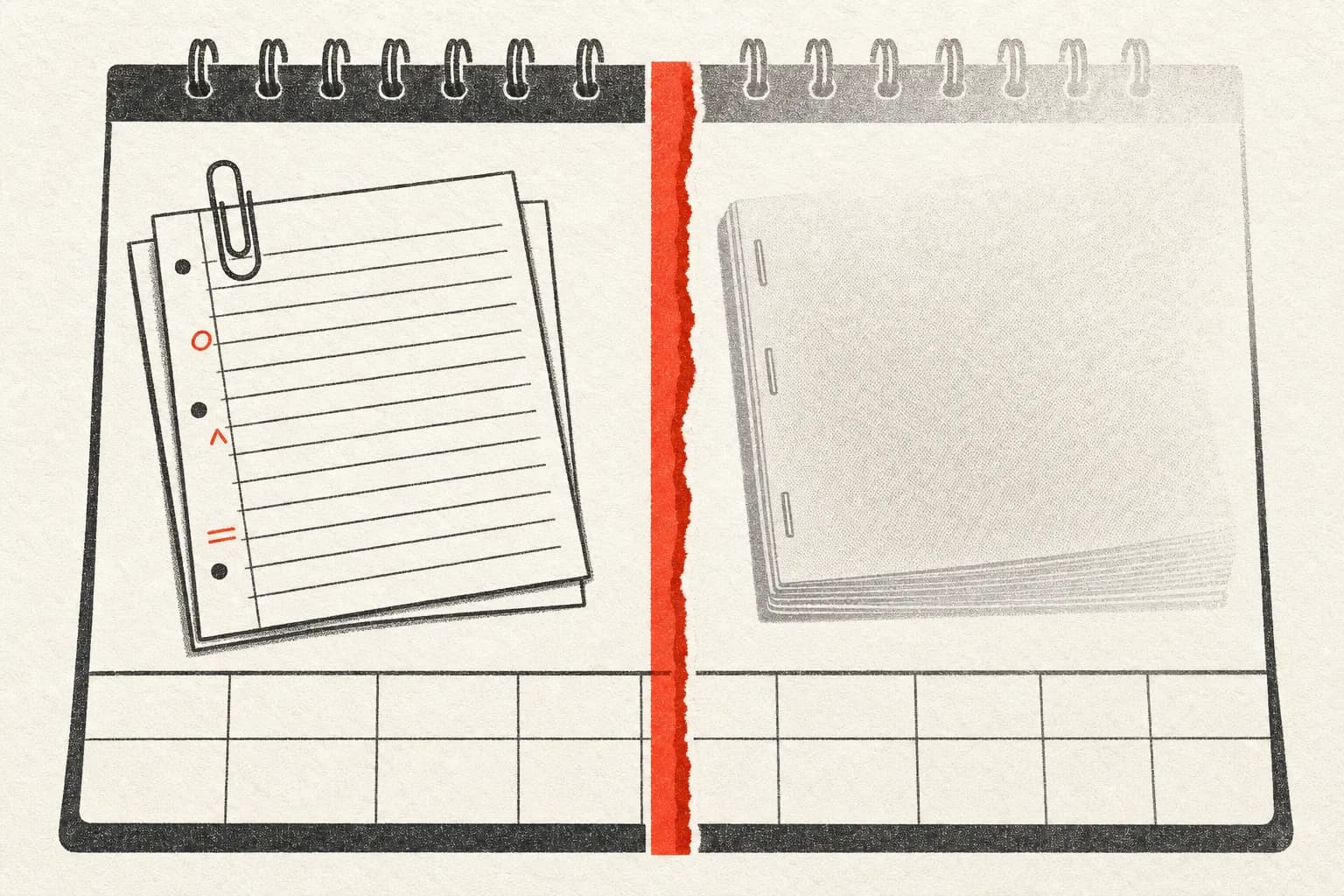
Leaving at least 24 hours between completing a draft and revising it is one of the most effective and least-used strategies available to students. Distance creates objectivity. You read what you actually wrote, not what you intended to write. Research gaps, missing topic sentences, and weak transitions become visible after a break in a way they never are immediately after writing.
A practical revision checklist
Use this checklist when moving from one draft to the next:
- Check argument alignment. Does every paragraph connect directly to your thesis or central claim?
- Check evidence. Is every claim supported by a named source or specific example?
- Check logical flow. Does each paragraph follow naturally from the one before it?
- Check the brief. Have you addressed every part of the assignment criteria?
- Check topic sentences. Does the first sentence of each paragraph state the paragraph’s main point?
- Check your conclusion. Does it synthesise your argument rather than simply repeat it?
- Check language last. Fix grammar, spelling, and referencing only after the above are confirmed.
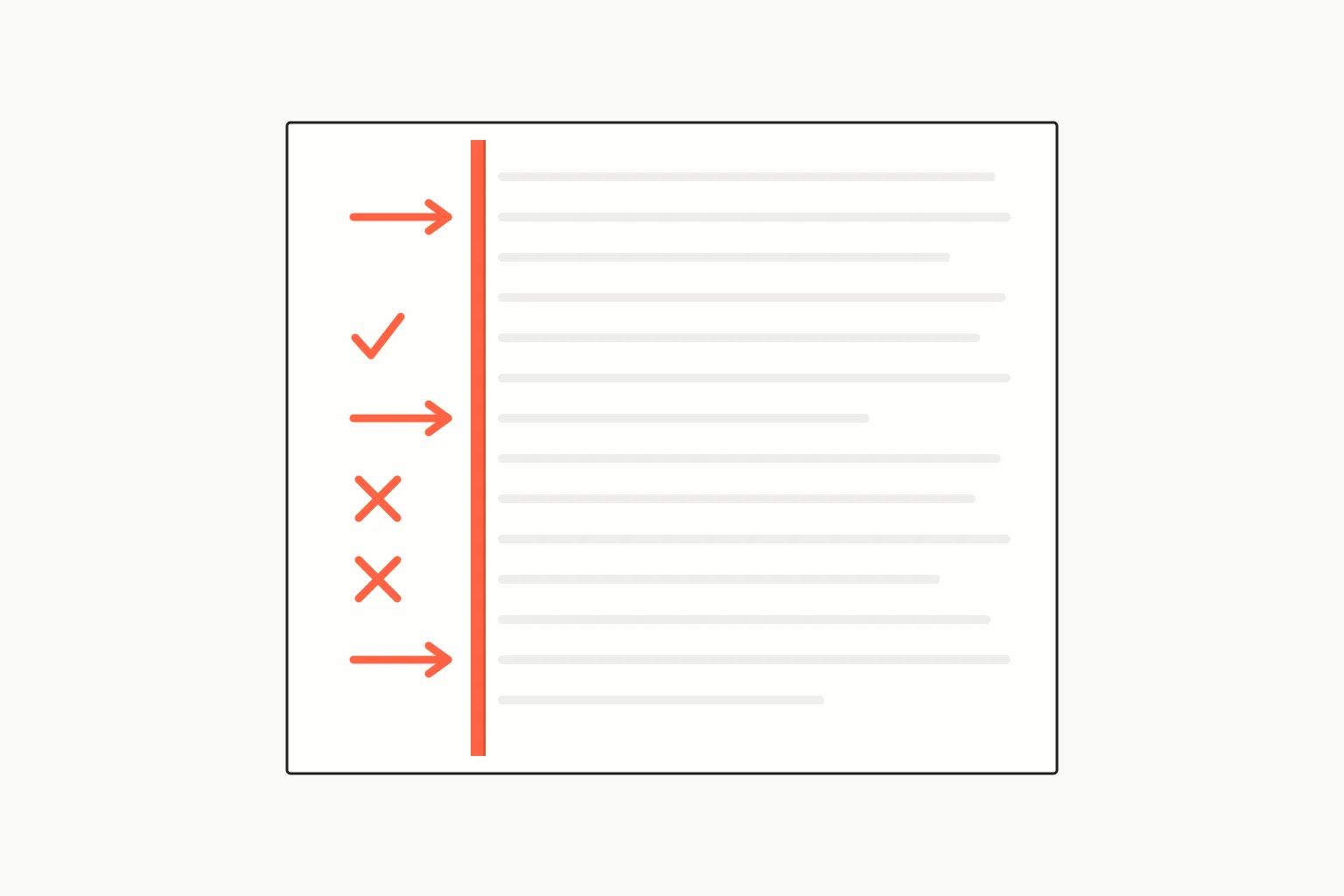
Reverse outlining is a particularly useful revision tool. After writing a draft, write a one-sentence summary of each paragraph in order. If those summaries do not form a logical sequence, your structure needs work before you touch the language. This technique, drawn from meaning-based revision methods, exposes structural problems that line-by-line editing misses entirely.
Common pitfalls to avoid in revision include fixing sentences before confirming the argument is sound, ignoring the assignment criteria until the final draft, and treating peer feedback as optional. Peer review significantly improves submission quality when the draft has been carefully reviewed beforehand. Feedback lands better on a structured draft than on a rough first attempt.
What tools and strategies help Queensland students draft more effectively?
Queensland senior students have access to several practical tools that make the drafting and revision process faster and more reliable.
- Grammarly catches grammar, punctuation, and readability issues in later drafts. Use it after the argument is confirmed, not before.
- Google Docs version history lets you save and compare drafts without managing separate files. Name versions clearly (Draft 1, Draft 2) so you can track your progress.
- Referencing tools like Zotero or the built-in citation manager in Microsoft Word reduce the time spent formatting references, freeing cognitive space for argument work.
- ISMGenius analyses your assignment against QCAA-style ISMG criteria and gives specific feedback on where your draft meets the rubric and where it falls short. This is particularly useful between drafts when you need objective feedback before your teacher sees the work.
Pro Tip: Draft the body of your assignment first. Leave the introduction and conclusion for last. The introduction is much easier to write once you know exactly what argument your body paragraphs have made.
Strategies that actually work in practice
Saving draft versions as separate files is a habit that pays off. Students who save V1, V2, and V3 can return to an earlier version if a revision goes in the wrong direction. That safety net reduces the anxiety that stops students from making bold structural changes in revision.
Peer feedback is one of the most underused resources available in Years 10–12. Ask a classmate to read your draft and tell you what they think your main argument is. If their answer does not match yours, your thesis is not clear enough. This test takes five minutes and reveals more than an hour of self-editing.
Time management is the hidden factor in effective drafting. Students who start assignments early enough to complete two or three drafts consistently produce stronger work than those who write once the night before submission. Plan your drafting schedule backwards from the due date, allowing at least one full day between each draft.
Understanding your QCAA ISMG rubric before you begin drafting is also worth the time. Knowing the criteria in advance means your first draft can be structured around what the marker is actually looking for, rather than retrofitting the criteria onto finished writing.
What mistakes do students make when drafting and submitting?
The most damaging mistake is submitting a first draft. Editing prevents confusion and credibility loss and signals to the reader that the writer has exercised judgement over their own work. A first draft submitted as a final product tells the marker that the student did not engage with the revision process.
Common drafting mistakes include:
- Polishing too early. Fixing sentences before the argument is clear wastes time and creates false confidence.
- Ignoring the brief. Students who do not check the assignment criteria until the final draft frequently miss entire sections of the task.
- No time between drafts. Revising immediately after writing means you read your intentions, not your actual words.
- Treating feedback as optional. External feedback identifies blind spots that writers cannot see in their own work. Ignoring it leaves those gaps in the final submission.
- Over-polishing one section. Spending excessive time perfecting the introduction while leaving the body underdeveloped is a common trap in timed or pressured writing situations.
Pro Tip: If you find yourself rewriting the same sentence three times, stop. That is a signal the problem is structural, not linguistic. Step back and check whether the paragraph itself is doing the right job before fixing the words.
Procrastination is the root cause of most of these mistakes. Students who leave assignments until the last possible moment have no time for multiple drafts, no time for feedback, and no time for the 24-hour break that makes revision effective. Starting early is not just good advice. It is the only way the drafting process can actually function.
Key takeaways
Multiple drafts, structured revision, and objective feedback are the three practices that most reliably improve writing quality before submission.
| Point | Details |
|---|---|
| Draft first, polish last | Write the full argument before fixing any sentences to avoid wasting time on rework. |
| Leave 24 hours between drafts | Distance creates objectivity and reveals gaps that are invisible immediately after writing. |
| Use a revision checklist | Check argument, evidence, flow, and brief alignment before touching grammar or spelling. |
| Seek external feedback early | Peer or tool-based feedback identifies blind spots you cannot see in your own draft. |
| Know your ISMG criteria upfront | Drafting against the rubric from the start produces stronger, more targeted submissions. |
Why I stopped treating drafts as a chore
I used to think drafting was the part you did before the real writing started. That belief cost me more than a few disappointing results. The shift happened when I realised that my best arguments never appeared in my first draft. They appeared in the second, sometimes the third, after I had written badly enough to understand what I actually wanted to say.
First drafts reveal the underlying ideas. Subsequent drafts are where you become the writer shaping that raw material into something worth reading. That reframe changed everything. The first draft stopped feeling like a failure and started feeling like the necessary first move in a longer game.
The students I have seen improve most dramatically are not the ones who write better first drafts. They are the ones who revise more honestly. They ask harder questions of their own work, they act on feedback rather than defend against it, and they give themselves enough time to do the process properly. That is a habit, not a talent. You can build it starting with your next assignment.
Get smarter feedback on every draft with ISMGenius
ISMGenius is built specifically for Queensland senior students who want to know exactly how their draft measures up before submission. The platform analyses your assignment against QCAA-style ISMG criteria and returns specific, clear feedback on where your work meets the rubric and where it needs more development.
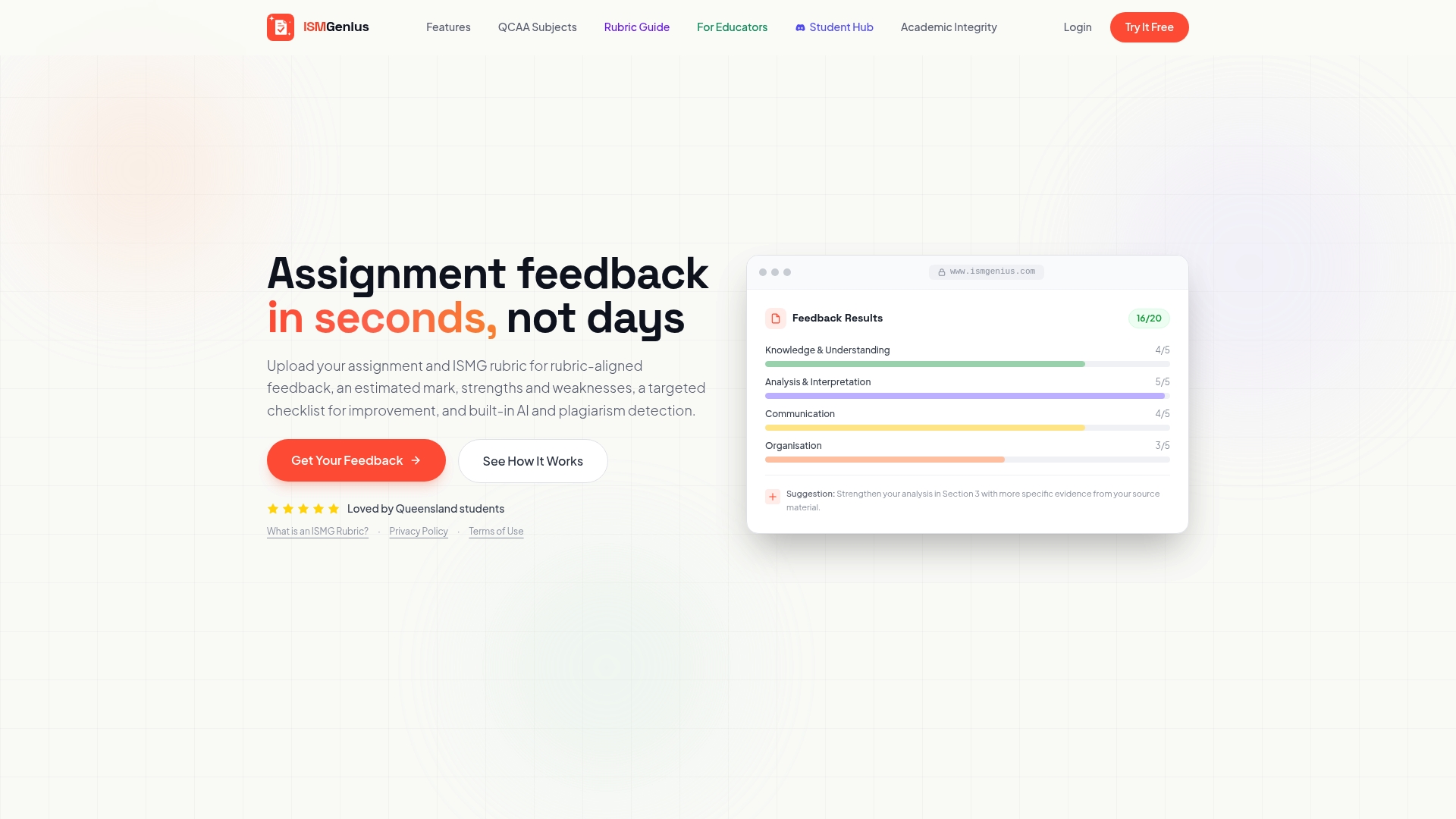
Instead of waiting for a teacher’s mark to find out what went wrong, you get feedback between drafts, when there is still time to act on it. That is the difference between revising with purpose and guessing. If you want to start getting AI-powered feedback on your next draft, ISMGenius is ready when you are. You can also read more about academic integrity and AI tools to understand how to use feedback platforms responsibly in your studies.